
Services

Assess the Opportunity. Deliver the Plan.

Velencis supports investment decisions and the work that follows them. Our services help clients evaluate overseas opportunities, strengthen operating capabilities and implement technology.

An engagement can address a single business requirement or support an international expansion program.

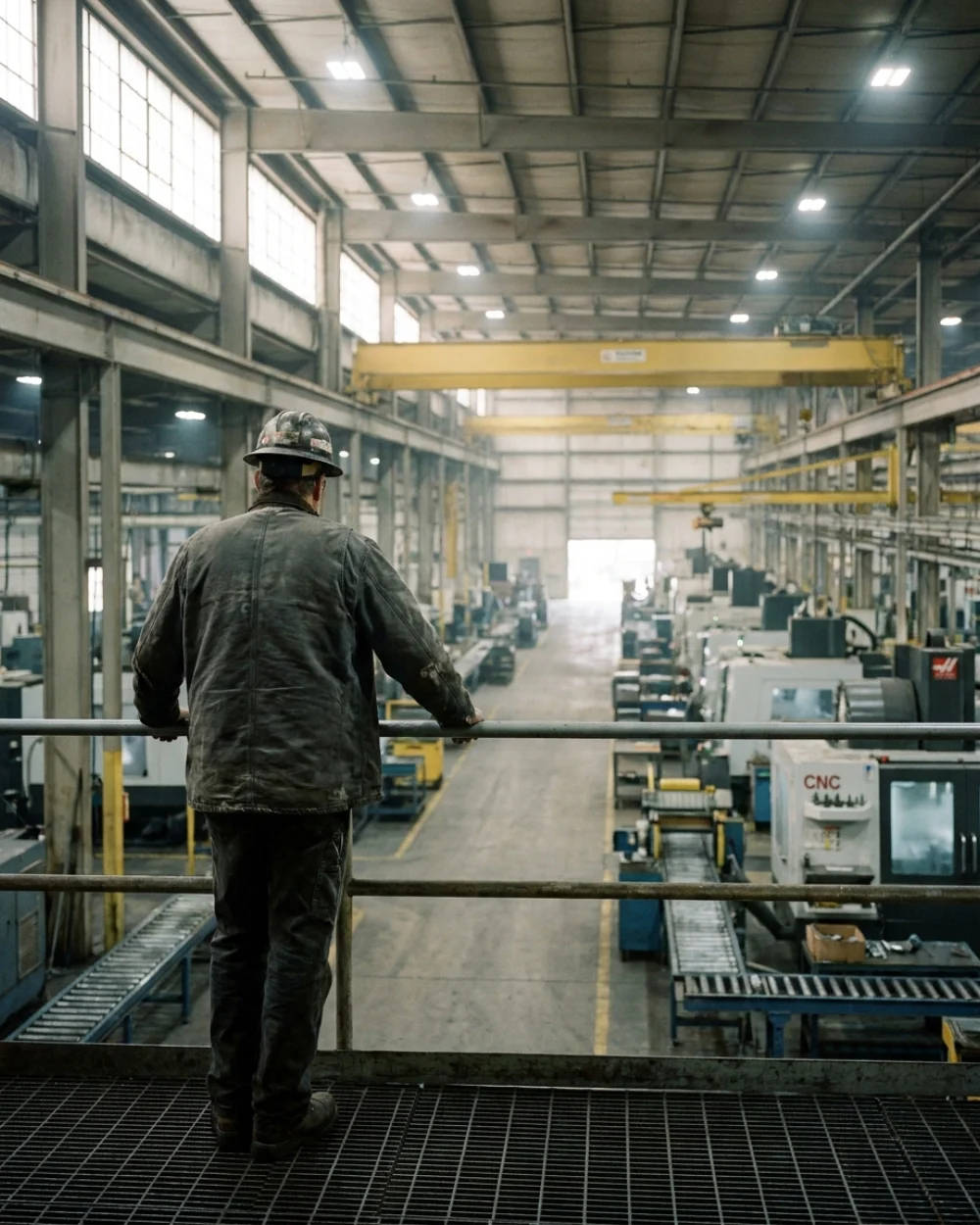
Plant manager on a mezzanine walkway overlooking a CNC production floor
Row of industrial robot arms on an assembly line, one fitted with a condition-monitoring sensor

Technological Acceleration & AI

Put Technology to Work Across the Business

AI and automation services for companies across sectors.

Velencis examines how work moves through your business to identify applications worth pursuing. Each proposed use case is assessed against the available data and the cost of implementation.

We then support technology selection and deployment. The engagement includes the process changes and training required for adoption.

Capabilities

AI Opportunity Assessment
Identify use cases and estimate their business value. Prioritize them according to technical feasibility and implementation requirements.
Workflow Automation
Automate repetitive tasks in functions such as finance or customer service. Define how exceptions reach the people responsible for resolving them.
Data and Systems Integration
Connect relevant systems and address data-quality gaps before deployment. Establish responsibility for maintaining the information each application uses.
Technology Selection and Deployment
Compare vendors against business requirements. Test shortlisted solutions and coordinate implementation with your internal teams.
Adoption and Training
Update working procedures to reflect the new technology. Train users and assign responsibility for monitoring performance.
Industrial AI and Robotics
Apply predictive maintenance or machine vision where the operating case supports investment. Robotics programs include equipment selection and integration planning.
The Outcome

Technology in daily use, measured against the business objective agreed at the start.
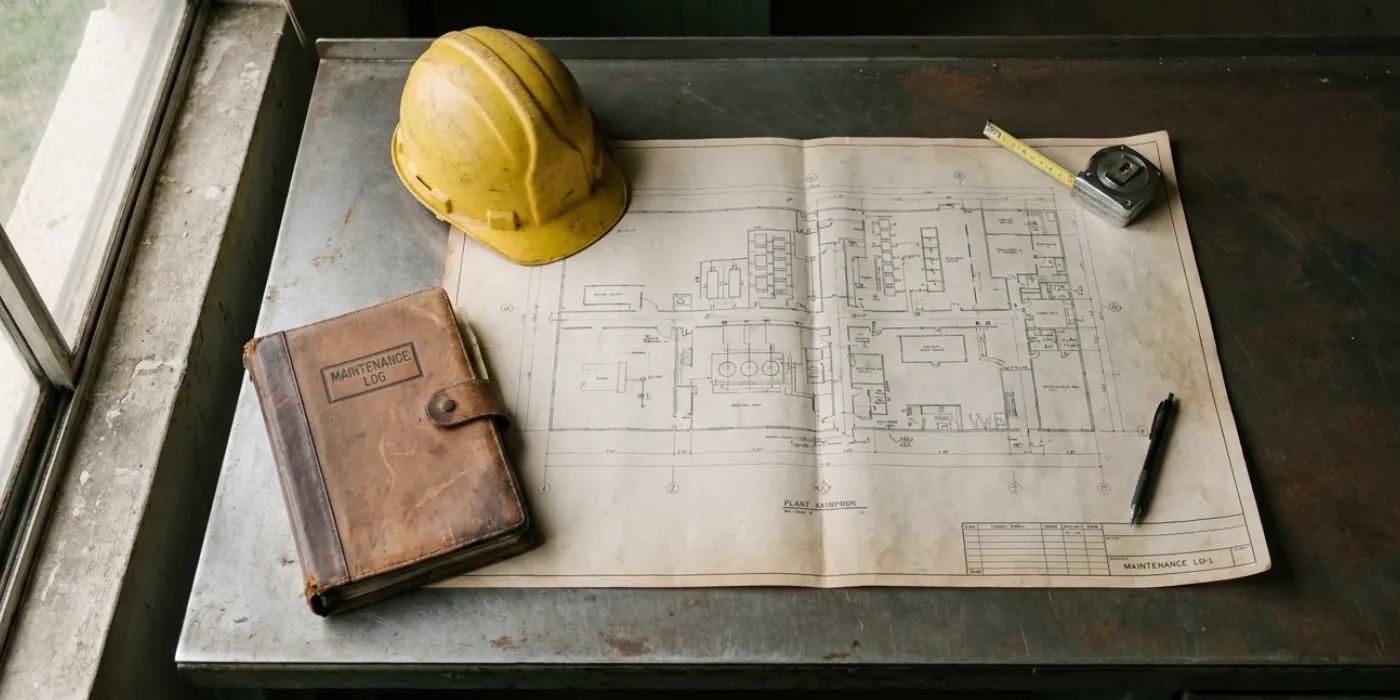
Plant layout drawing, hard hat and maintenance log on a steel workbench

Due Diligence

Operational Truth Before Capital Moves

Operational evidence for investors ahead of a transaction, and a value plan for the first 100 days of ownership.

Rising valuations no longer carry deal returns on their own. Bain & Company estimates a typical deal now needs 10% to 12% average annual EBITDA growth to reach a 2.5x return over five years. McKinsey puts the average holding period at more than six and a half years. Both trends make operating performance the deciding factor in the investment case.

Before Close

Operational Due Diligence
Site visits that test capacity claims and asset condition against maintenance records.
Technology Readiness
Automation maturity assessed, with the capital needed to modernize.
Supplier Risk Exposure
Single-source dependencies mapped across the bill of materials.
ESG Diligence
Emissions baselines and environmental liabilities quantified before pricing.

After Close

100-Day Value Creation Plan
Initiatives drawn from the diligence findings, each with an owner and an EBITDA target.
Performance Tracking
Monthly reporting to the investment committee against the deal baseline.
The Outcome

An investment thesis tested against operating fact, with a delivery plan ready on the day of close.

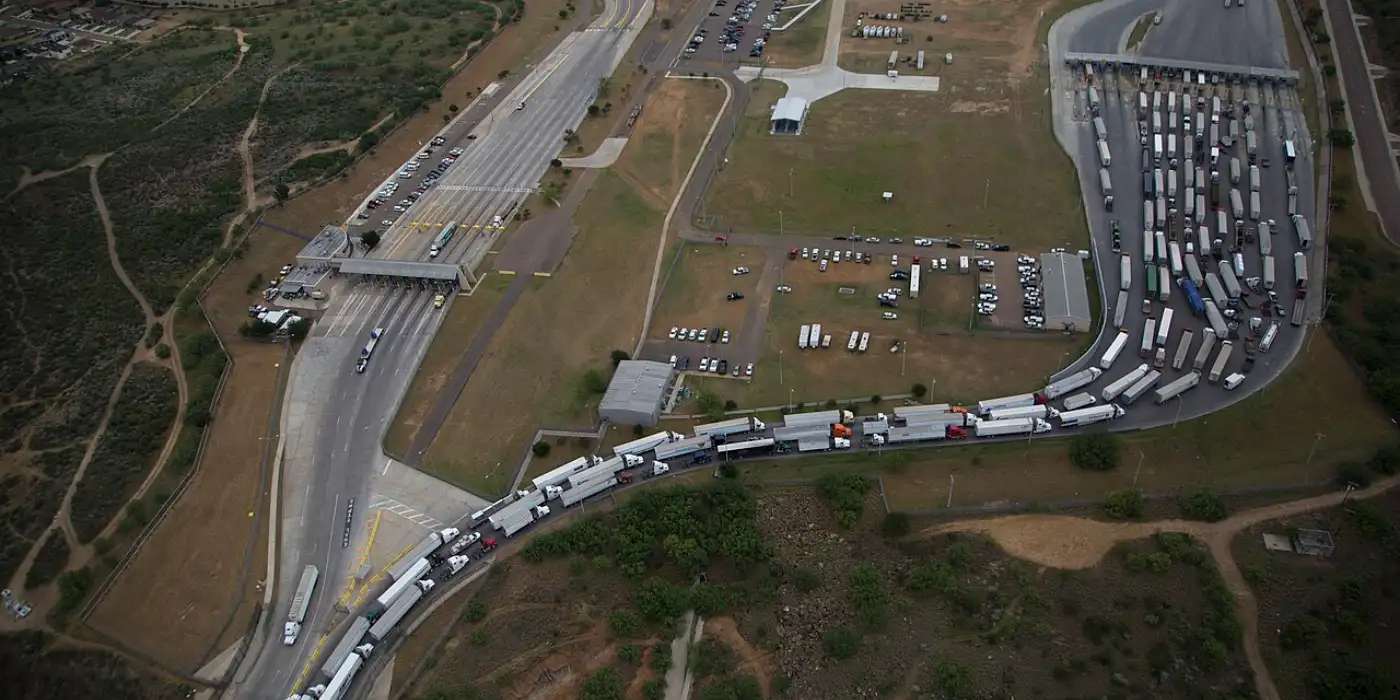
Trucks queued at the World Trade International Bridge in Laredo, Texas

Supply Chain

Sourcing for an Era of Trade Volatility

Sourcing footprints and planning processes redesigned around your current tariff exposure.

Trade policy is now a permanent factor in sourcing decisions. Excluding 2025, the Yale Budget Lab places the US average effective tariff rate at its highest level since the early 1940s.

Pressures Outside Your Walls

  • Tariff changes on imported components
  • Supplier consolidation in specialist categories

Pressures Inside Your Walls

  • Planning cycles that lag behind demand signals
  • Inventory buffers set by habit

Capabilities

Footprint and Nearshoring Strategy
Landed-cost models comparing nearshore sourcing with your current offshore supply.
S&OP and Integrated Business Planning
A monthly planning cycle that links sales forecasts to production and financial plans.
Procurement and Supplier Development
Dual-sourcing programs and supplier capability upgrades in critical categories.
Logistics and Fulfillment
Warehouse and transport redesign matched to new network flows.
Trade Compliance Resilience
Tariff classification and country-of-origin strategies, including NDAA sourcing rules for defense supply.
The Outcome

A supply network that absorbs policy and market shocks without disrupting production plans.

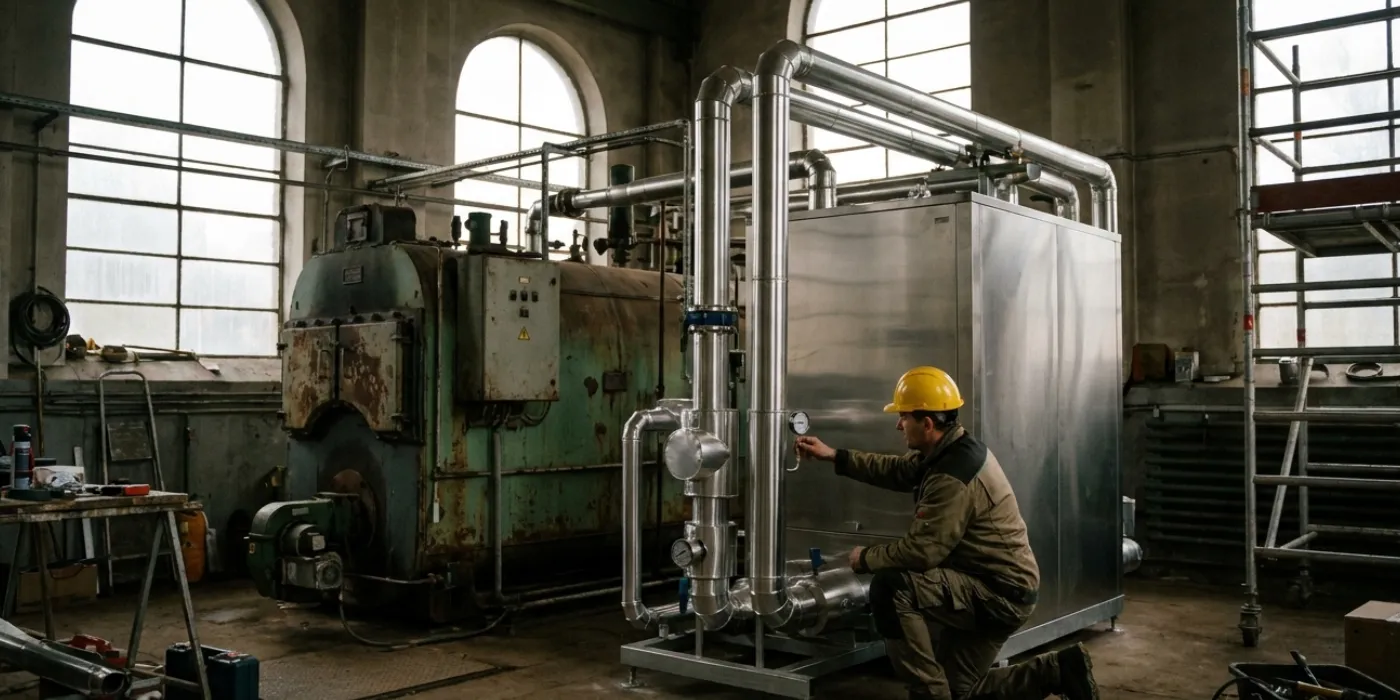
Engineer checking a new heat pump installed beside an older boiler in a plant utility hall

ESG Transformation

Decarbonization With an Operating Case

Carbon reduction programs ranked by payback, with the reporting data investors and regulators now request.

Emissions reporting is now mandatory for many large companies. California’s SB 253 requires covered entities to report Scope 1 and 2 emissions to the California Air Resources Board by November 10, 2026. The bigger task sits upstream.

26x

Average size of a company’s supply chain emissions compared with its operational emissions

The Velencis Program Path

Scope 1 to 3 Baseline
Emissions measured from metered site data and supplier inputs to an audit-ready standard.
Reduction Roadmap
Electrification and efficiency projects ranked by cost per ton of carbon abated.
Incentive Capture
Federal and state incentives matched to each project before capital approval.
Disclosure Readiness
Data controls and reporting processes prepared for assurance under California and EU requirements.
Circular Operations
Scrap and packaging loops redesigned to cut cost alongside emissions.
The Outcome

An emissions program your finance team can fund and your auditors can sign off.

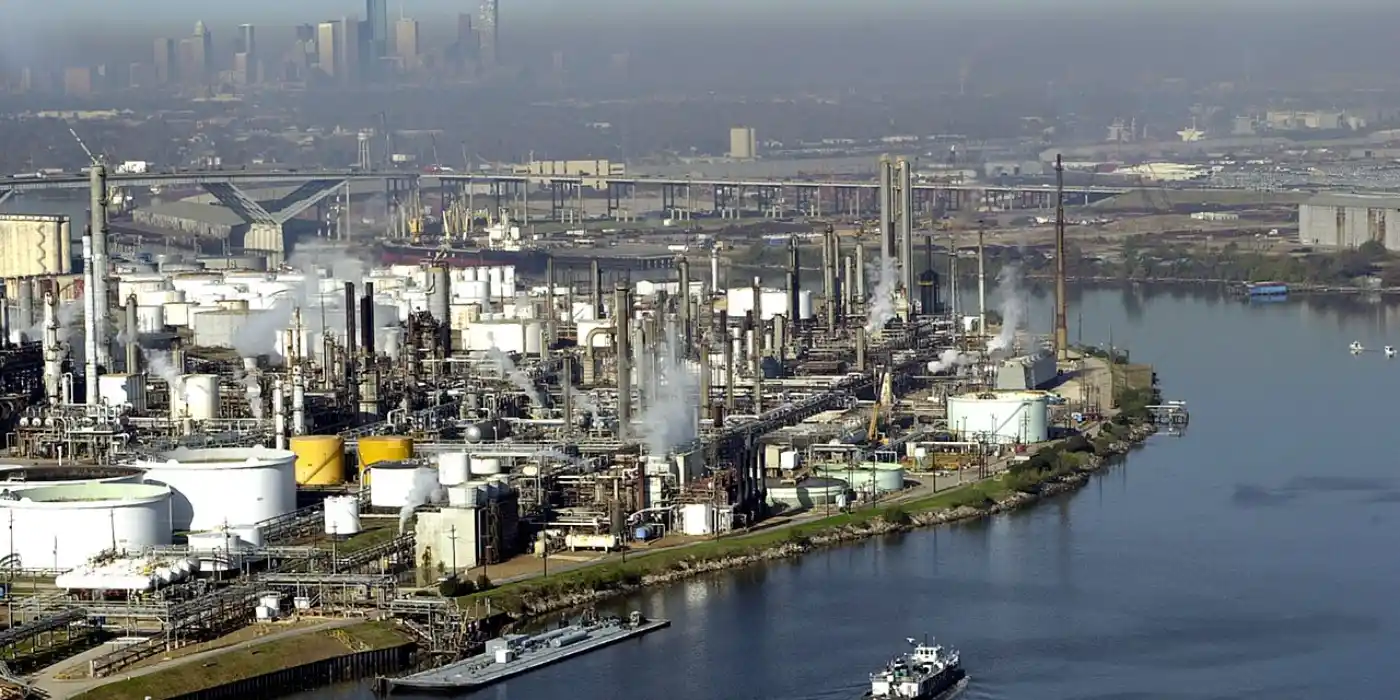
Industrial plants along the Houston Ship Channel with downtown Houston beyond

Market Entry

The Operating Plan Behind Overseas Growth

International expansion support for American companies and investors.

Velencis evaluates potential markets against your commercial objectives and capacity to invest. We assess how customers buy and what it would take to serve them locally.

The entry model follows that assessment. It may involve a distributor agreement or an acquisition. Other engagements require a new local operation. Each route carries different investment requirements and implementation responsibilities.

How an Entry Program Runs

Assess the Market
Evaluate demand and competing offers. Test the opportunity against your product economics and growth targets.
Select the Entry Model
Compare routes to market. Define the required investment and the role of local partners.
Evaluate Locations
Assess access to customers and the resources needed to operate. Facility-based projects include site suitability and infrastructure requirements.
Coordinate Local Requirements
Work with qualified advisers to identify regulatory obligations. Incorporate their legal and tax advice into the implementation schedule.
Establish Relationships
Identify potential distributors or operating partners. Assess suppliers against the capacity and quality requirements of the proposed operation.
Support Launch
Coordinate operational setup with the client’s appointed teams. Track readiness against agreed milestones through the start of local activity.
The Outcome

An assessed market opportunity with a costed entry plan and support through launch.

Delivered by Sector Specialists

Each engagement is staffed according to the sector and the work involved. International projects also require local expertise; Velencis coordinates that input with the client’s appointed advisers.

Start With a Single Priority

An engagement can begin with one service and expand as results are verified.